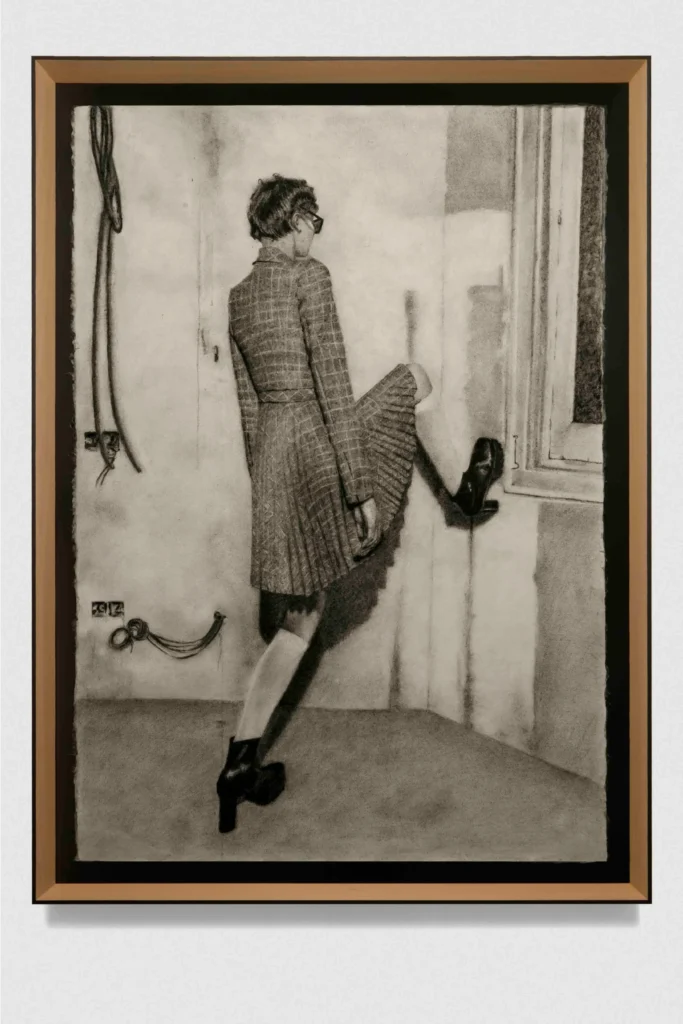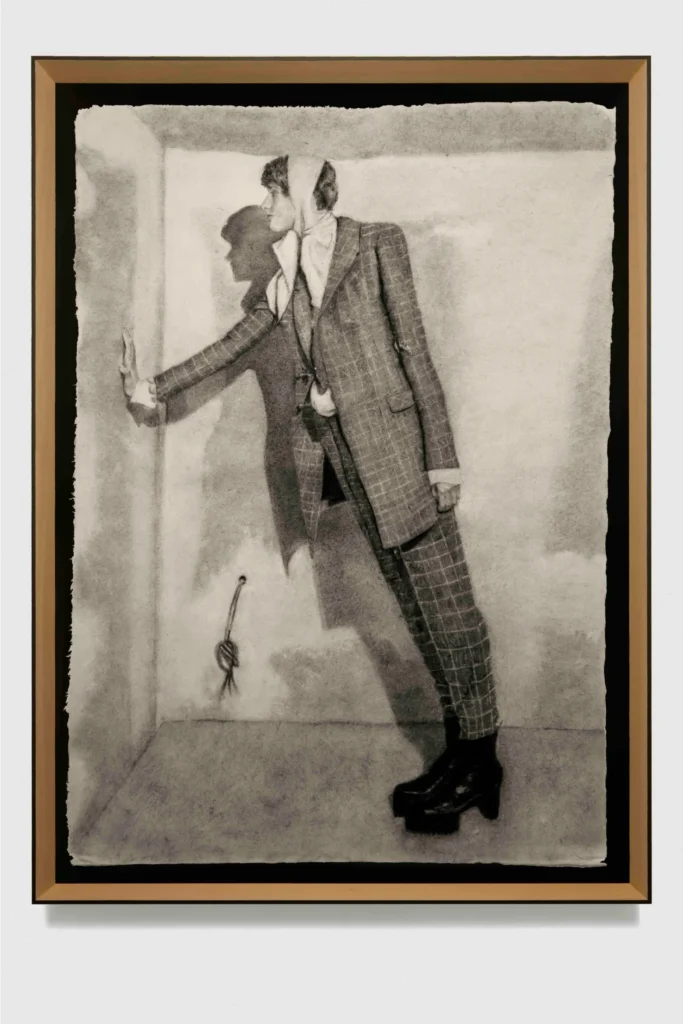
Madrid, April 2026. –After more than a year of research, experimentation, and creation, artist Diego Villalba presents his new work:TARTÁN, a project that invites viewers to journey into the past through matter, time, and geography.
Curated by Fernanda García de Jalón, the exhibition offers an in-depth exploration of tartan, a fabric that transcends its aesthetic dimension to become a cultural symbol steeped in identity, memory, and meaning.
Although commonly associated with Scottish heritage, tartan has a much broader history. It is found in various cultures—African, Asian, and Eastern European—and the oldest known example dates back approximately 3,000 years to Xinjiang, China. Since its origins, this fabric has been linked to geography and daily life: in the Scottish Highlands, each clan developed unique patterns based on the natural resources of its surroundings, making tartan a true symbol of belonging.
Tartan bridges the past and the present and invites the public to connect with history, marveling at the beauty of a legacy that continues to evolve
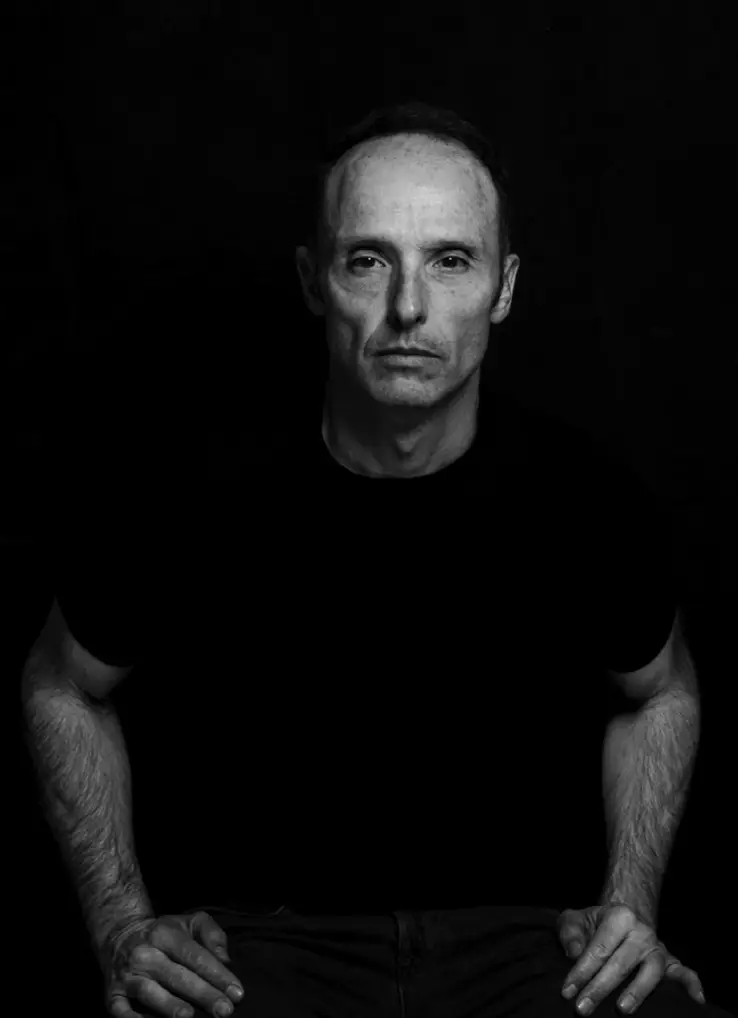
Diego Villalba
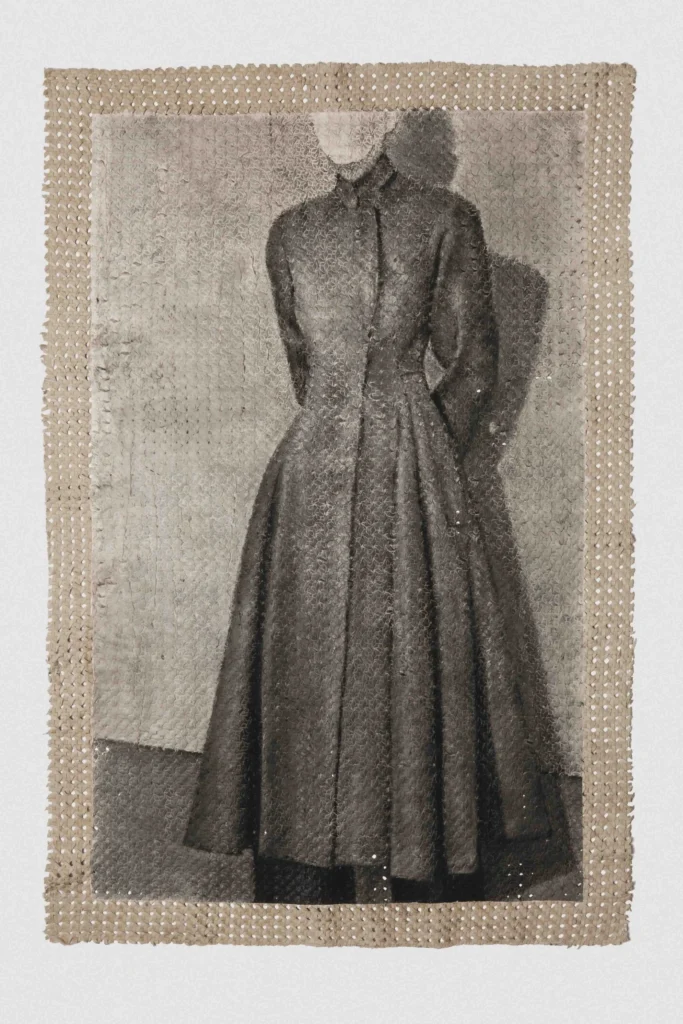
Behind the scenes
The exhibition also explores the ban on the use of tartan as an attempt to suppress the identity of Scottish clans. It also references the historical period when this pattern became associated with the Jacobite rebellions led by Charles Edward Stuart in 1745. In this way, it reveals the symbolic power of the fabric, which serves as a representation of resistance, loyalty, and collective memory.
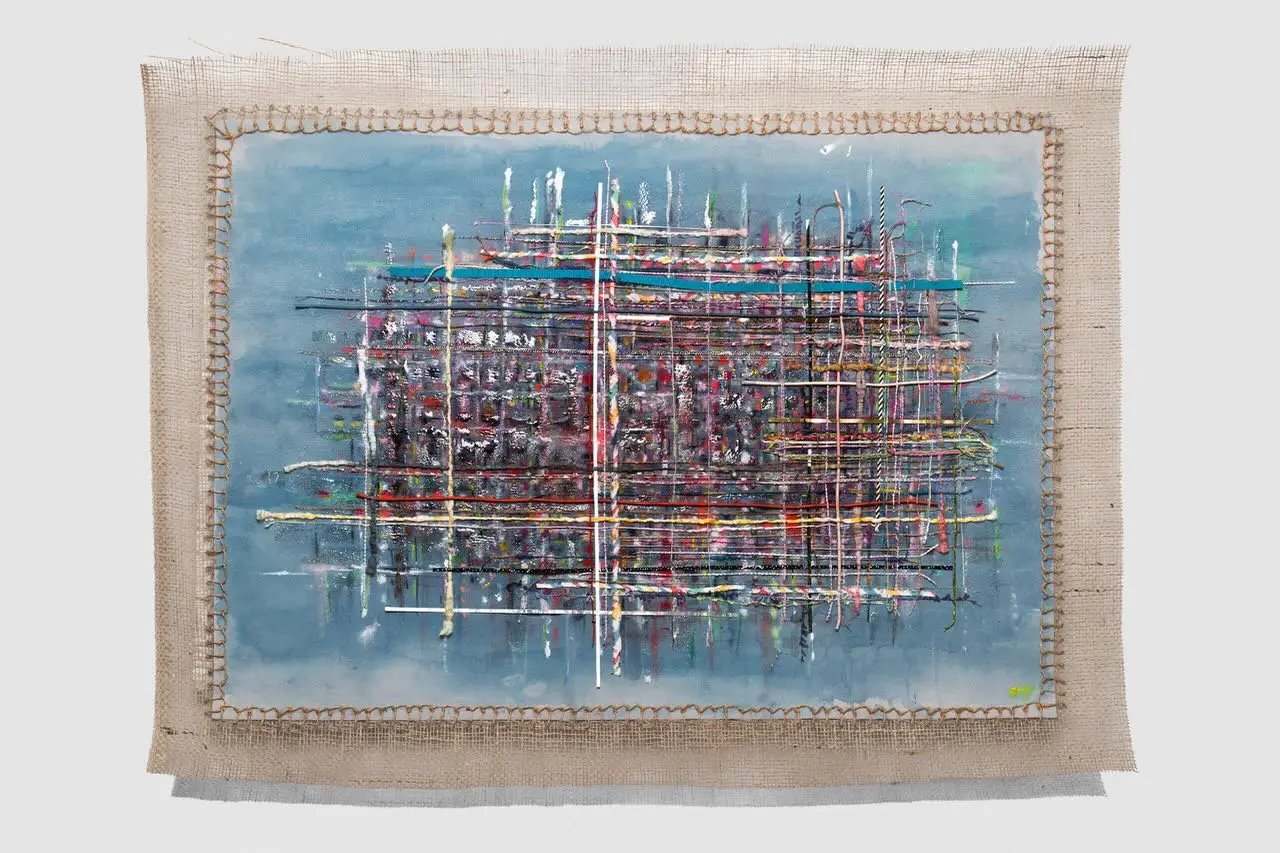
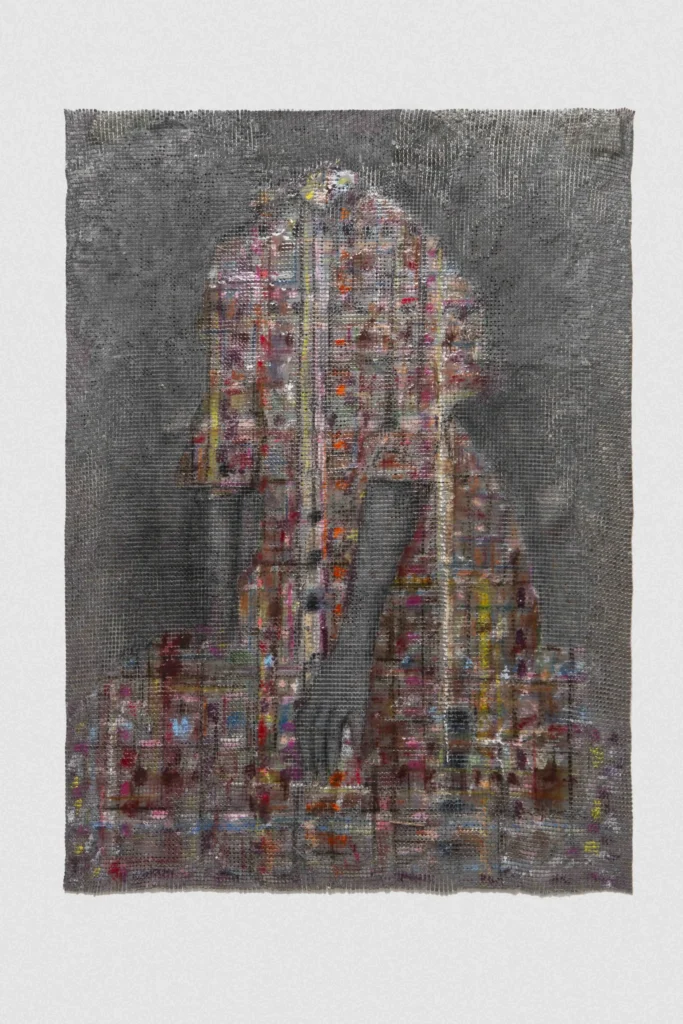
Using materials such as torn jute, mesh, and worn linen, Villalba constructs a visual narrative that evokes the wound—the “scar” of fashion—and invites us to look beyond the surface. As a Chinese proverb states:“Do not trust the surface of a river as smooth as a mirror, but consider the depth and thickness of the water.”Under this premise, the work urges us to reflect on what lies beneath every fabric, every story.
Diego Villalba works without limits or preconceived protocols: following a process of research and experimentation, he presents a body of work in which torn jute, mesh, and worn linen coexist with the pictorial
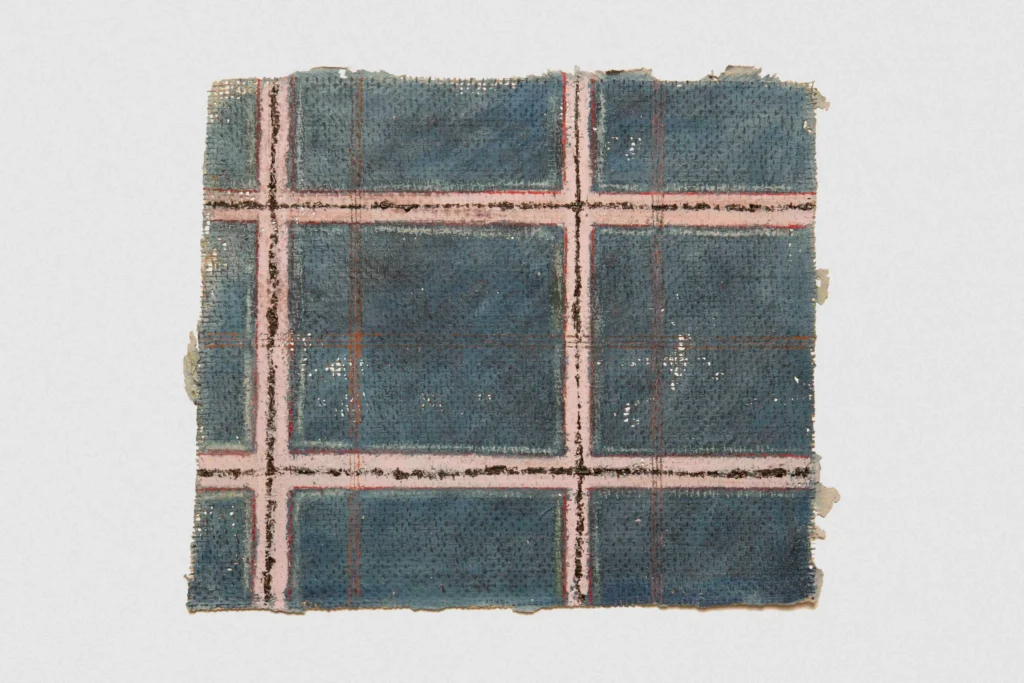
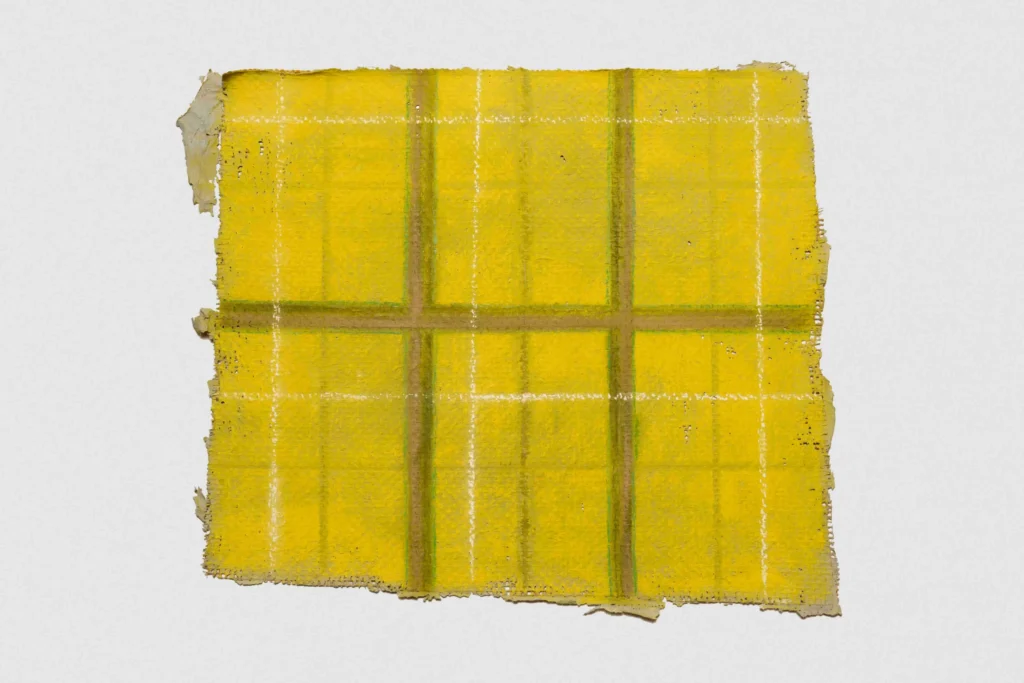
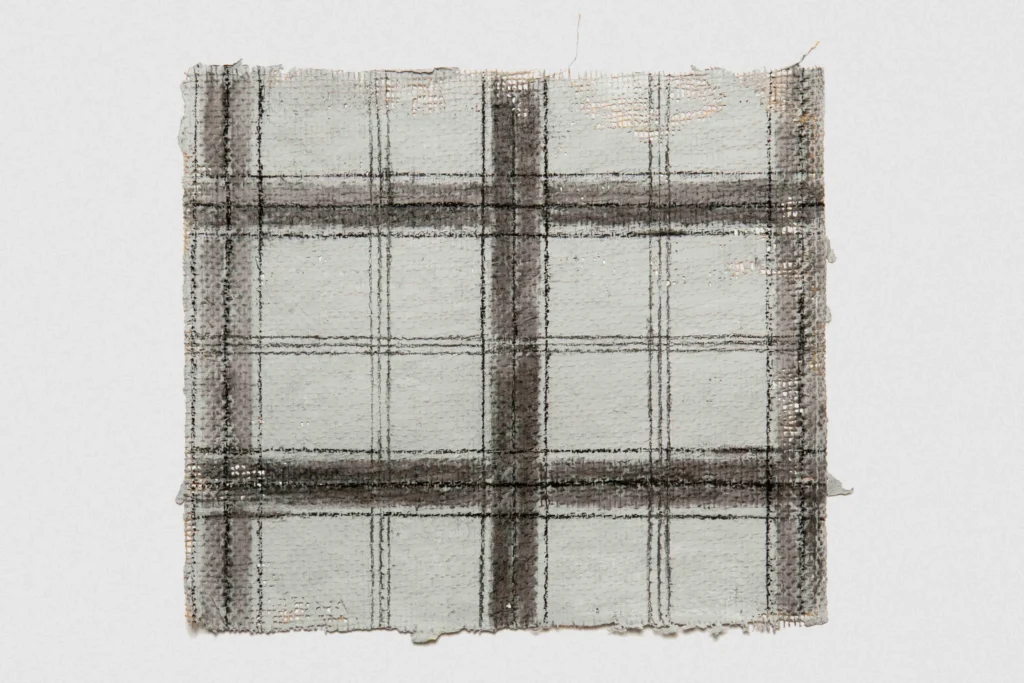
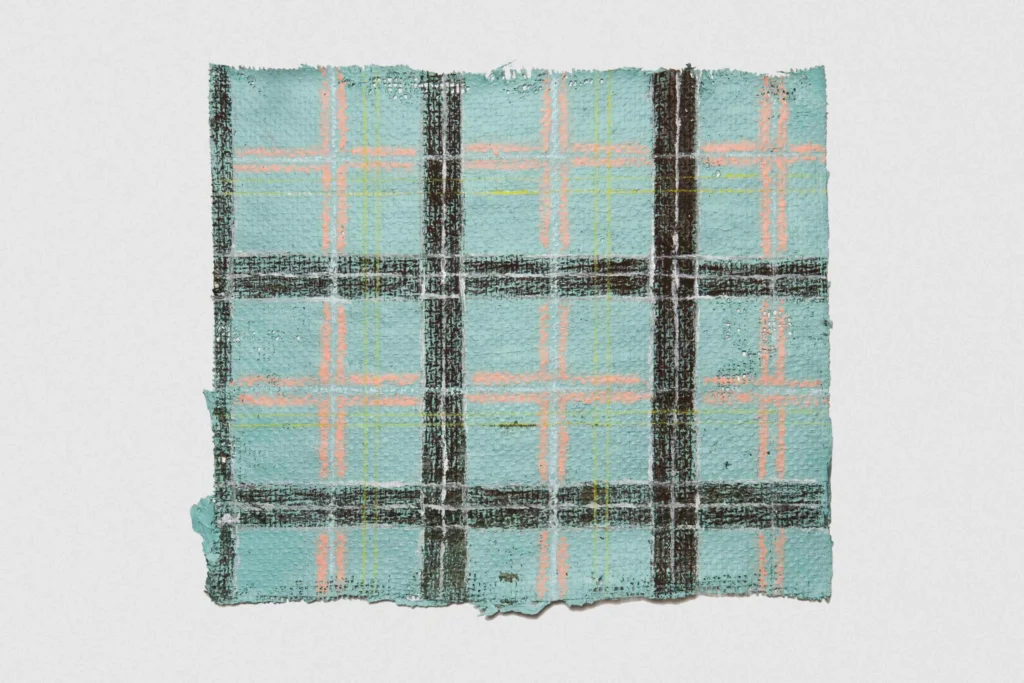
Textile art with new depth
Without resorting to explicitly political discourse,TARTÁNprompts reflection on the mechanisms of cultural oppression that recur over time, creating an atmosphere that challenges the viewer and places them in a space of tension between beauty and memory.
The journey culminates in the present, showing how this ancestral pattern remains alive in contemporary fashion, constantly reinventing itself in new forms, garments, and styles. Trench coats, dresses, pants, or jackets: today, they are all vestiges of a history that continues to pulse.